


In the 1980s, it was common to see professional footballers eating a steak pie before a match and drinking a beer afterwards. Today, that lifestyle is extinct.
Modern football has become a game of super-athletes. The game is faster, more physical, and demands an intensity that the human body isn’t naturally built for. To survive at the top level, players like Cristiano Ronaldo or Erling Haaland have transformed their bodies into machines.
But what exactly do they do? Is it just running laps around a pitch?
In this guide, we reveal the secrets of how professional footballers maintain their fitness, breaking down their diet, gym routines, and the obsessive recovery methods that keep them playing into their late 30s.
1. The Engine Room: Diet and Nutrition
You cannot drive a Ferrari on cheap fuel. The diet of a footballer is strictly controlled by club nutritionists.
Carbohydrates are King: Despite the popularity of “Keto” or low-carb diets in the general public, footballers need carbs. Before a match, they load up on pasta, rice, or sweet potatoes. This fills their muscles with glycogen, the energy source required for high-intensity sprinting.
Protein for Repair: After the final whistle, the window for recovery opens. Players immediately consume protein shakes or lean meats (chicken, fish) to repair the micro-tears in their muscles caused by the game.
The Ban List:
- Alcohol (dehydrates the body).
- Processed sugar (causes energy crashes).
- Fried foods (slows digestion).
2. It’s Not Just Running: The Gym Work
Many amateur players make the mistake of thinking football fitness is just about jogging for 90 minutes. It isn’t. Football is a sport of explosive intervals.
Players perform hundreds of short, high-intensity sprints, jumps, and turns. Therefore, their gym training focuses on:
- Plyometrics: Box jumps and hurdle hops to build explosive power.
- Core Strength: Planks and rotational exercises. A strong core allows a player to shield the ball from defenders without losing balance.
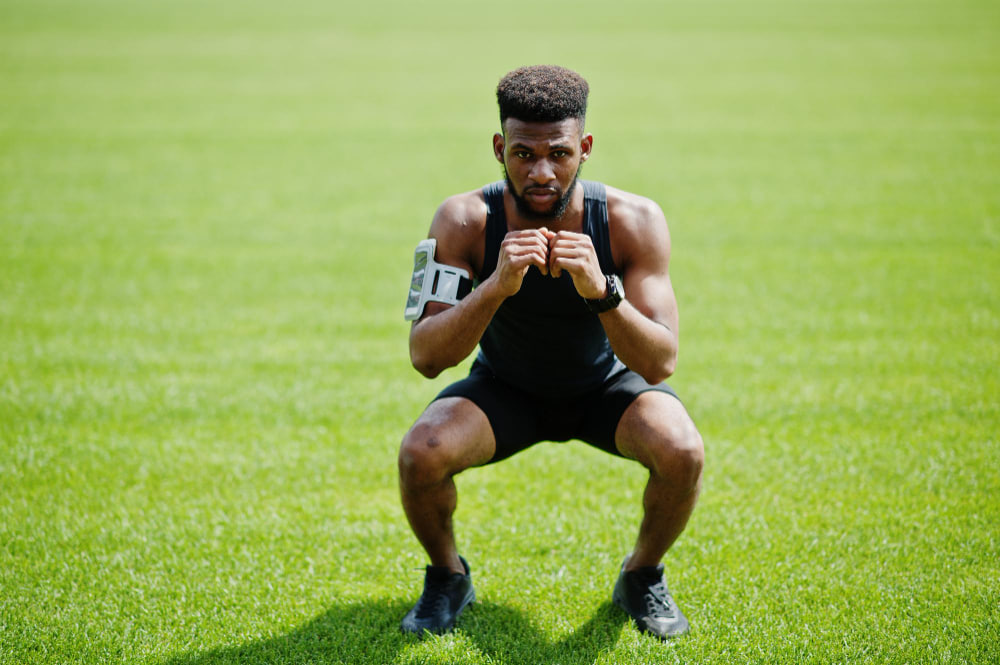
- Leg Power: Squats and lunges to protect the knees and hamstrings from injury.
3. The “24-Hour Athlete” Concept
Training only takes 2 to 3 hours a day. The real work happens in the other 21 hours. This is known as being a “24-Hour Athlete.”
As we analyzed in our comparison of Messi vs Ronaldo Stats, Cristiano Ronaldo’s longevity is due to his obsession with lifestyle.
- Sleep: Elite players aim for 8-10 hours of sleep per night, plus “power naps” in the afternoon. Sleep is when the body releases growth hormones to repair tissue.
- Hydration: Players are weighed before and after training to see how much water they lost in sweat, and they must replace it precisely.
4. Recovery: The Ice and The Tech
The biggest difference between a pro and an amateur is how fast they recover. Clubs invest millions in recovery technology.
- Cryotherapy: Standing in a chamber at -140°C for 3 minutes helps reduce inflammation and soreness instantly.
- Ice Baths: The classic method. Plunging into freezing water constricts blood vessels and flushes out waste products like lactic acid.
- Massage Guns & Foam Rollers: Used daily to loosen tight muscles and prevent tears.
5. Pre-Season: The Foundation of Hell
If you watch football, you know players dread “Pre-Season” (July/August). This is where the base fitness is built.
Managers like Antonio Conte or Mauricio Pochettino are famous for the “Gacon Test”—a brutal intermittent running test that pushes players until they vomit or collapse. This builds the aerobic capacity (VO2 Max) needed to press opponents in the 90th minute of a game.
6. Mental Fitness
Finally, the brain is a muscle too. The pressure of playing in front of 60,000 screaming fans requires mental steel.
Many clubs now employ sports psychologists. Players practice visualization techniques, imagining themselves scoring or making a tackle before the game even starts. A calm mind saves energy; a stressed mind burns it.
Conclusion
Being a professional footballer looks like a dream job, but the reality is a life of sacrifice. It means eating plain pasta while your friends eat pizza. It means going to bed at 9 PM. It means ice baths on a Sunday morning. However, the results speak for themselves. The modern player is faster, stronger, and lasts longer than ever before.
Do you follow a specific training routine for your Sunday league games? Share your tips in the comments!

